
Viewing an Apartment in Budapest: What to Check Before You Make an Offer
By Rentals Budapest · November 21, 2026
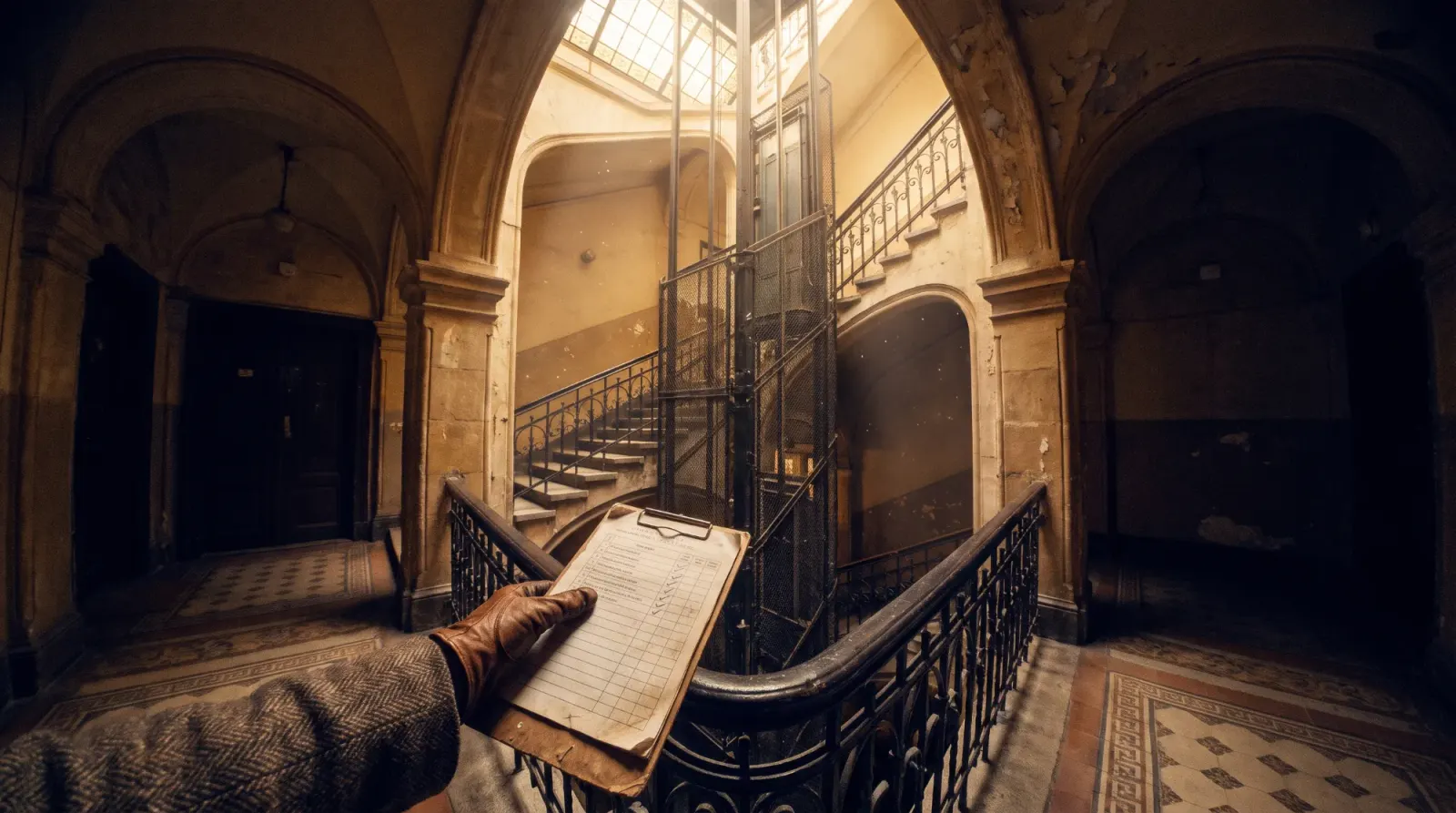
Most buyers spend a viewing looking at the apartment: the light, the kitchen, whether the sofa will fit. In Budapest that is only half the job. Many apartments in the central districts are in buildings that are a hundred years old or more, and the state of the building, and how its owners run it, can matter as much as the flat itself.
This is the checklist we use when we view apartments with buyers. It works whether you are buying your first home, buying from abroad, or buying to let. None of it replaces your lawyer's checks, but it will help you decide which apartments deserve an offer.
Before the viewing
A few questions save you a wasted trip. Ask the agent or seller for:
- The floor plan and the floor area, so you can compare apartments properly. Ask how the area was measured if a balcony or a mezzanine is included.
- The floor and whether there is a lift. A fourth floor without a lift is a different flat when you are carrying shopping or a pushchair.
- The monthly common charge (közös költség), and what it covers. It pays for the building's shared costs, and it varies a lot between buildings.
- The heating type. District heating, a gas boiler in the flat, or electric heating each have different running costs.
- A copy of the land registry extract (tulajdoni lap). It shows who owns the apartment and whether there are mortgages or other rights registered against it. Your lawyer will check it formally later, but seeing it early avoids surprises.
In the building
Arrive a few minutes early and look around before you go up.
- The entrance, staircase and courtyard. Clean, lit and repaired shared areas usually mean the building is well run. Broken lights and peeling walls usually mean the opposite.
- The roof, the facade and any damp. Look for damp patches in the stairwell and, if you can, in the cellar. Ask when the roof and facade were last renovated.
- The lift. Is it working, and is a replacement planned? Lift work is one of the bigger shared costs in older buildings.
- Planned works. Ask about the building's renovation fund (felújítási alap) and any works the owners have voted for. The minutes of recent owners' meetings (közgyűlési jegyzőkönyv) show what has been decided, including any extra payments owners have agreed to make.
- Who else lives there. A building full of short-term rentals feels different from one where people live all year. Ask, and read the house rules if you can get them.
In the apartment
- Heating and hot water. How old is the boiler, and when was it last serviced? Ask to see last winter's bills; they tell you more than any description.
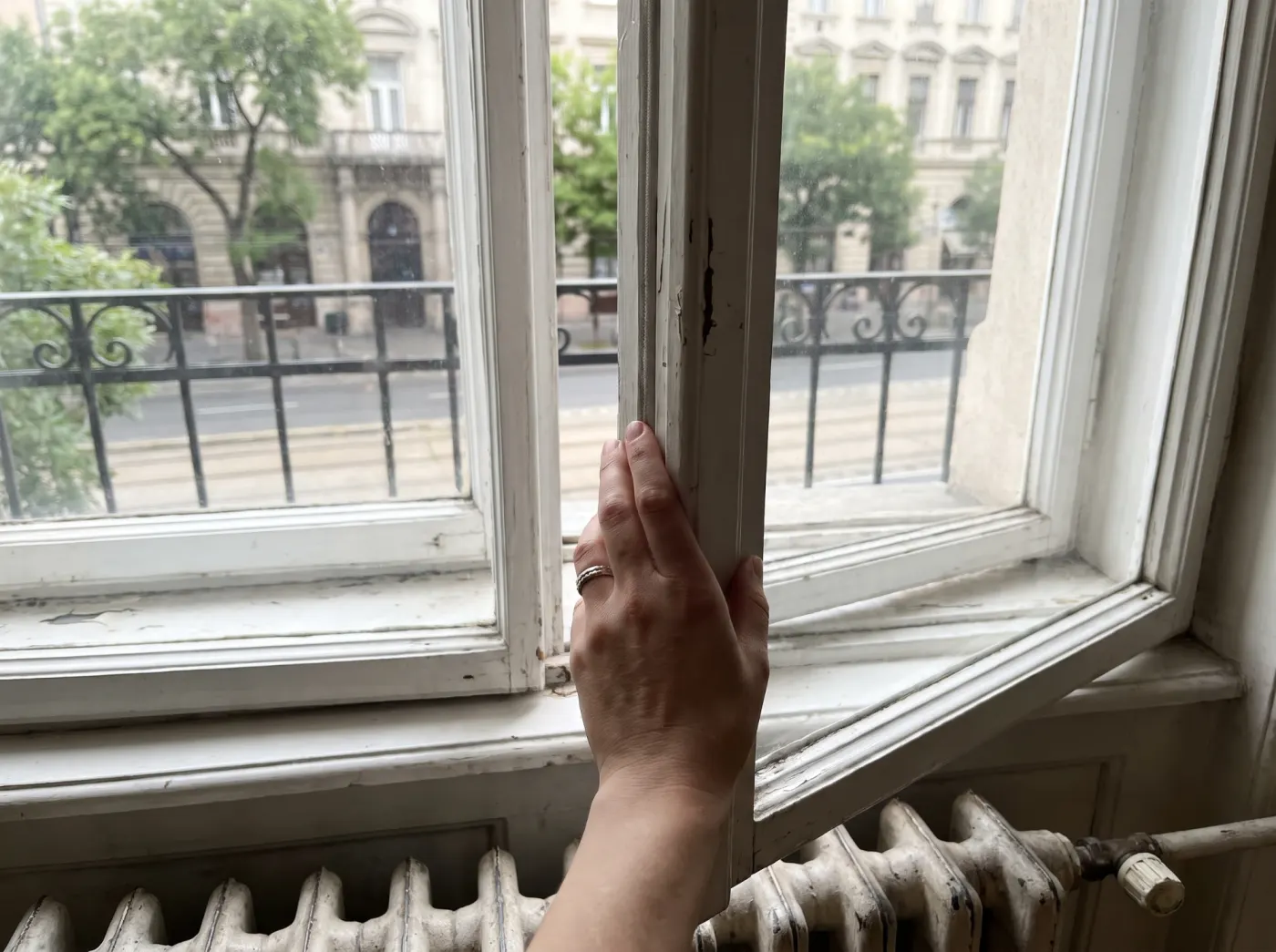
- Windows. Old wooden double windows are beautiful but can be draughty. Check that they open, close and seal. If they face the street, replacing them may need the building's agreement.
- Electrics. Look at the fuse box. Older wiring may not cope with air conditioning, an induction hob and a washing machine at once, and rewiring is a job best done before you move in.
- Bathroom and plumbing. Run the taps and the shower, and check the water pressure. Look for damp or mould around the bath and on the ceiling below the flat above.
- Damp. Check corners, behind furniture and around the windows, especially in ground-floor and courtyard-facing flats.
- Changes to the layout. If walls have been moved or a mezzanine (galéria) has been added, ask whether the change was approved. Your lawyer can look into it before you sign.
- Noise and light. Courtyard-facing rooms are quieter; street-facing rooms are often brighter. A flat on a tram line or above a bar sounds different at 11 pm, so go back in the evening if you are serious about it.
Paperwork to ask for before you make an offer
- The land registry extract, recent if possible.
- The energy performance certificate, which the seller must provide.
- A statement from the building's manager that there are no unpaid common charges on the apartment (often called a "nullás igazolás").
- Recent utility bills, so you know the real running costs.
- The building's house rules and, if you plan to let, anything the owners have agreed about letting. Short-term letting rules also differ by district; our district comparison explains the rules in Districts VI and VII.
If the apartment needs work
A flat that needs renovating can be good value, but only if you know the cost before you agree a price. Get a quote before you make an offer, not after. Our renovation team can look at an apartment with you and give you a written quote, so the work is part of your decision from the start.
The short version
- Get the floor plan, common charge, heating type and land registry extract before you go.
- Judge the building as carefully as the flat: entrance, roof, facade, lift and planned works.
- Test the heating, windows, electrics, water and look for damp.
- Ask whether any changes to the layout were approved.
- Visit twice, once in the evening.
- Collect the paperwork, then talk to your lawyer before you make an offer.
Next steps
If you are buying in Budapest for the first time or from abroad, we can do this with you, viewing by viewing. See how we help buyers, browse the apartments for sale, or read our guide to buying an apartment in Budapest for the legal steps and costs.
Related Listings
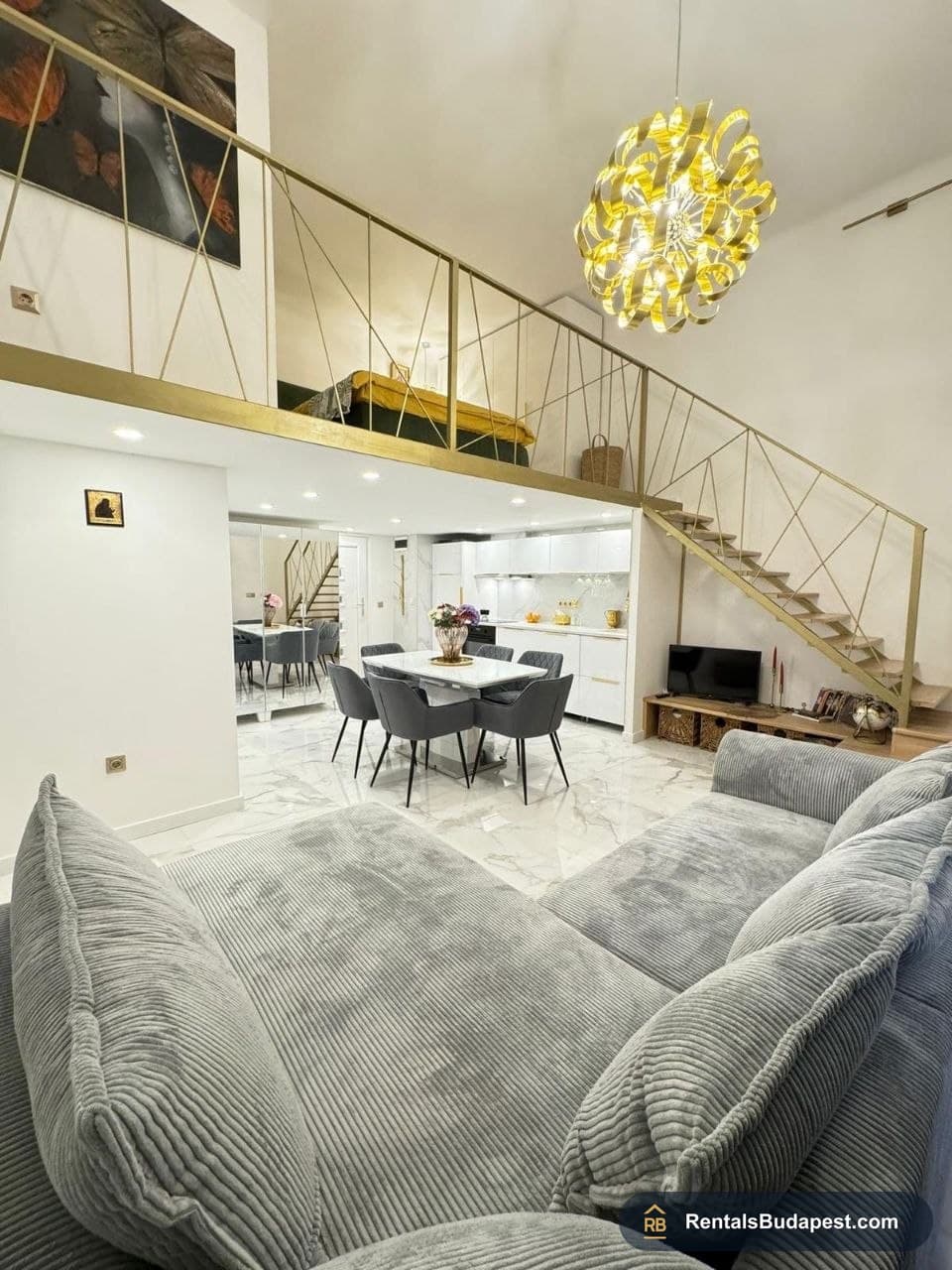
Budapest 5th District
Investment Property for Sale in Budapest District 5 Semmelweis utca 2
Ft 299,000,000
- 5 Bed
- 5 Bath
- 160 m²
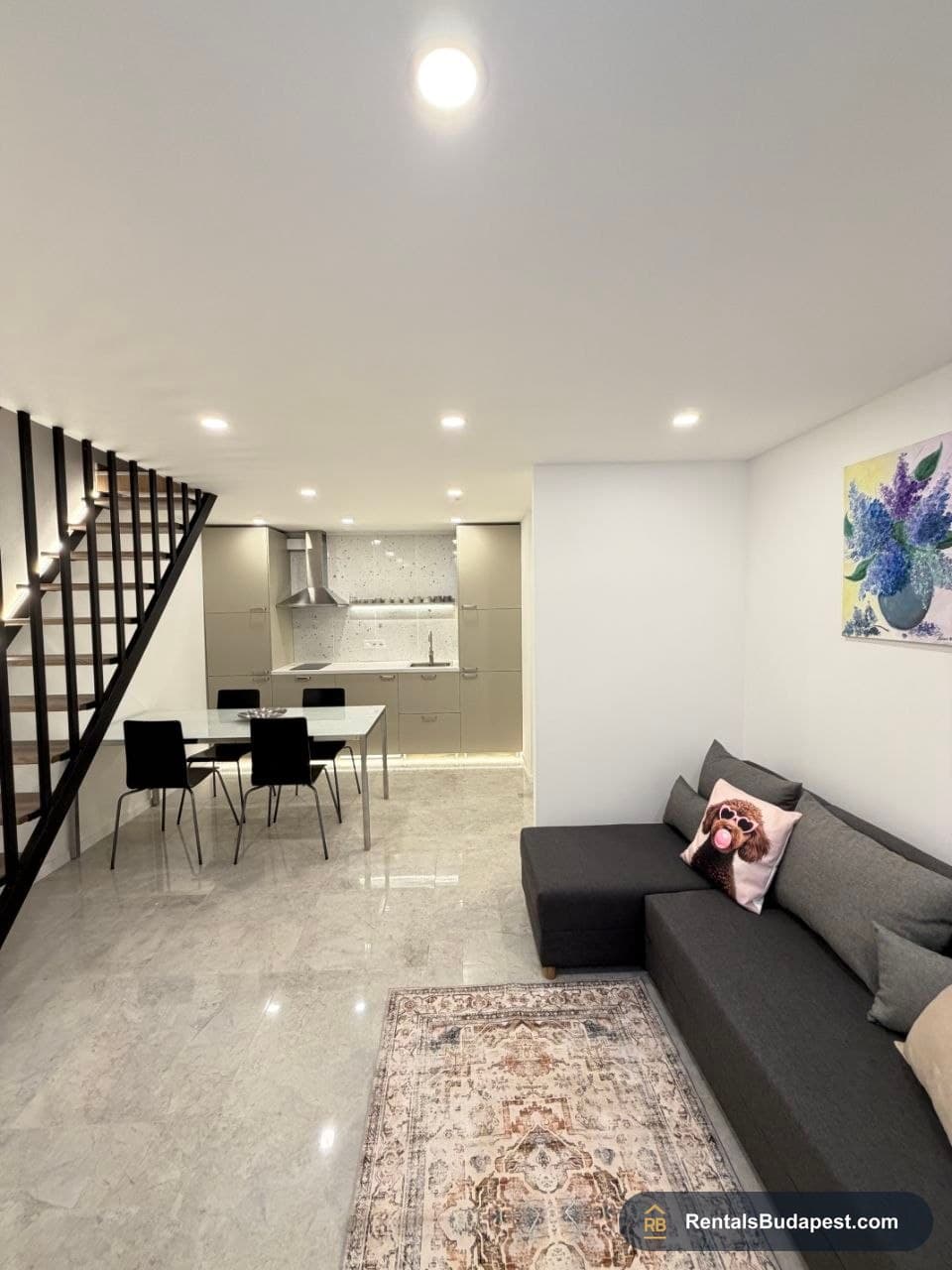
Budapest 6th District
Investment Property for Sale in Budapest District 6
Ft 219,000,000
- 4 Bed
- 4 Bath
- 130 m²
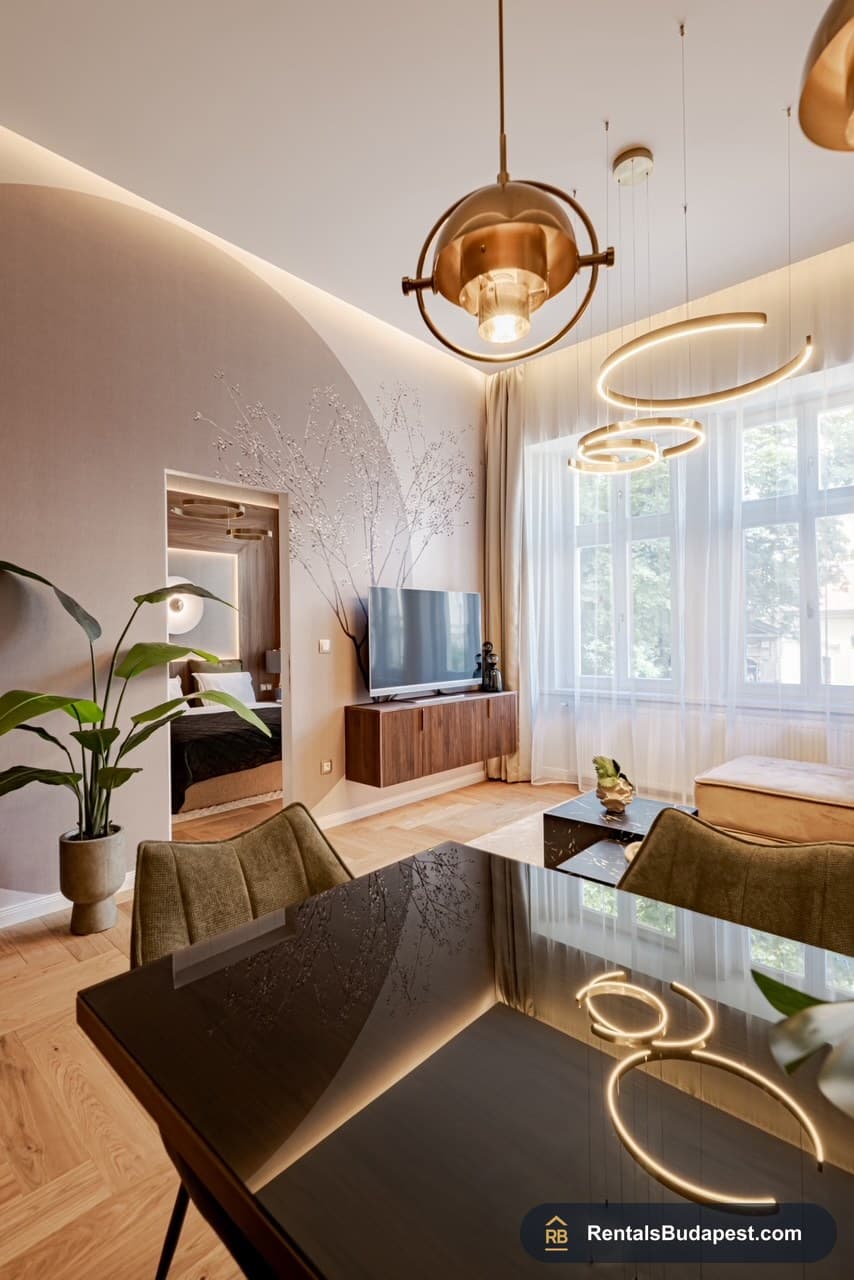
Budapest 5th District
Renovated 2-Bedroom Apartment with Garden Views for Sale | Veres Pálné utca, District 5
Ft 190,000,000
- 2 Bed
- 2 Bath
- 62 m²